
A glimpse into Bulgarian investors: what they bought, sold and worried about in 2025
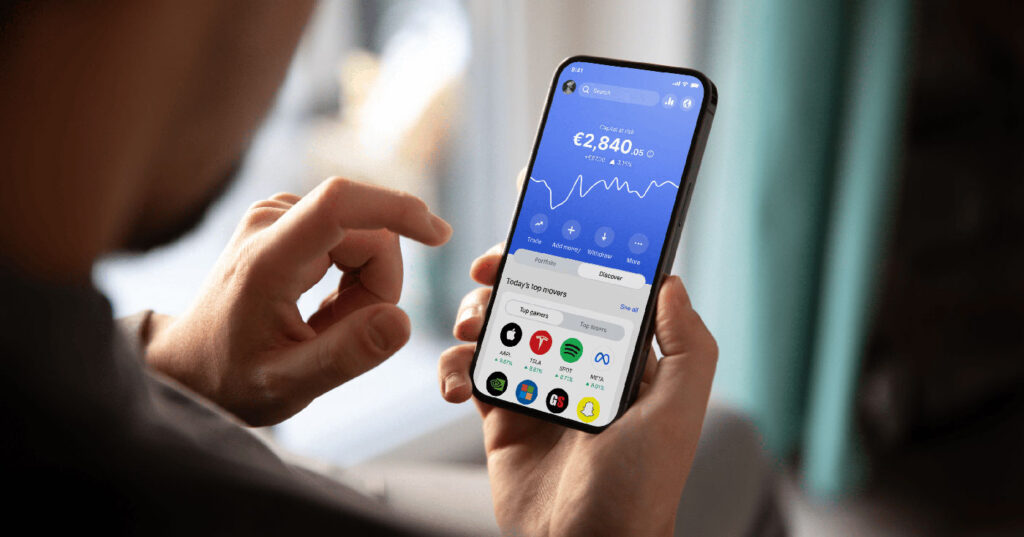
Global fintech Revolut today shared new insights into how Bulgarians invested in 2025, revealing growth in participation, and a shift towards automated and convenient investing accompanied by growing interest in more sophisticated investment tools. Looking ahead to 2026, Bulgarians are keen to focus more on financial discipline, education and long-term planning.
How Bulgarians invested in 2025
According to Revolut’s internal data, in 2025, the number of Revolut investment users in Bulgaria increased by 15%. The average Bulgarian investor on Revolut remained among the youngest in Europe, with 35 years old average age, average portfolio value was €4,155.
Bulgarian portfolios in Revolut were largely diversified, with a strong tilt towards global markets. On average, portfolios consisted of 32% US stocks, 11% ETFs (Exchange traded funds) and 3% European stocks, while 50% was held in money market funds through the Flexible Cash Funds service. Bonds and CFDs (Contracts for difference) each accounted for around 1% of portfolios.
Technology stocks continued to be among most traded in Bulgaria, and also in wider Europe. Coeur Mining was consistently the most bought and sold US stock among Bulgarians, unlike the overall European customers, which preferred NVIDIA. Among European equities, Rheinmetall emerged as the most actively traded stock, mirroring heightened investor attention on defence companies. The Vanguard S&P 500 UCITS ETF remained the most traded ETF in Bulgaria, underlining the popularity of broad, low-cost exposure to the US market.
Rise of automated and regular investing
2025 has also marked a shift towards more convenient and automated investing. In January, Revolut introduced commission-free ETF investment plans, allowing customers to set up automatic, recurring, e.g. weekly, contributions from as little as €1 to over 300 EU listed ETFs. These trades are commission-free and do not count towards their subscription plan’s monthly allowance.
The average recurring investment in Bulgaria was €42 per month, with the most popular plans being the Vanguard S&P 500 ETF – which accounted for almost 25% of all ETF trades in 2025 – followed by the Vanguard DIST ETF at 8% of all trades.
At the same time, interest in fully automated solutions surged. Both the number of Robo-Advisor customers and total balances invested through automated investing more than doubled over the year, highlighting growing demand for hands-off, long-term portfolio management.
Growing appetite for advanced tools
For more experienced investors, Revolut introduced Contracts for Difference (CFDs) in 2025. The most popular CFDs traded by Bulgarians were gold, the Nasdaq 100 and silver. These instruments attracted active traders looking to for instance hedge against inflation or gain exposure to global tech performance.
Gender gap remains
The data also revealed a persistent investment gap between men and women. In 2025, the total amount invested by men in Bulgaria was almost four times higher than that invested by women. The average portfolio size stood at €5,080 for men and €2,235 for women. However, more women than men started investing during the year: the number of women investors grew by 21%, compared to a 13% increase among men.

What’s holding Bulgarians back – and what’s next for 2026
A recent study conducted by research company Dynata on behalf of Revolut sheds light on the barriers to investing in Bulgaria. The biggest obstacle for Bulgarians to start investing was simply not having enough spare money (30%), followed by lack of knowledge on how to start investing (25%) and fear of losing money (18%). The main blocker for women (33%) was the lack of money, as well as for men, with the most often cited lack of spare funds (28%).
Looking ahead to 2026, 33% of Bulgarians said they feel anxious and uncertain about their finances. At the same time, 36% reported taking proactive steps such as investing, saving, job hunting or upskilling. When asked what would most improve their financial situation in 2026, respondents most often pointed to greater self-discipline to avoid overspending and stick to financial goals, while one in two said they lack sufficient financial education to master money management.
“Bulgaria’s investment landscape is clearly maturing – we’re seeing more people start investing earlier, embrace regular investing habits and use automated solutions to build wealth over time. At the same time, our data shows that financial confidence and education will be critical in 2026. Helping customers overcome fear, build discipline and access the right tools will remain a key focus for us,” says Rolandas Juteika, Head of Wealth and Trading (EEA).